
A very special apricot
I wasn’t sure whether I should be happy or sad when is saw the pretty abbey of Melk appearing on the other side of the river. Happy, because my goal was to cycle the 80 km from the town of Krems to Melk and back. This meant I was half way, a good sign for someone who is more of a runner than a cyclist. Sad, because it had been a beautiful tour so far, and I was already half way. Happy again, because I was excited to discover the other side of the river.
I had decided to cycle this stretch because the area between those two towns is the Wachau region. It is a valley located to the west of Vienna, along the river Danube. Picturesque villages are scattered all around the area. And not only villages, but also beautiful baroque style monasteries and ruins of castles. The most famous of which is probably one in Dürnstein, where King Richard Lionheart was held captive. And the nature is just as impressive as the architecture. The area right around the Danube river is flat, perfect for cycling. But a bit further from the river there are quite steep, stony slopes going up on both sides. A large part of the slopes are covered with vineyards. And the wines produced here is exactly what the Wachau is famous for. Some of the best, mainly white, wines of Austria are produced in this region. For me, hiking, running or cycling through vineyards is always a pleasure. Now the wines of the Wachau I knew before my tour. What I was not so much aware of, was that in between all those vineyards there are also many apricot orchards. And as it turned out, not just the wines of the Wachau are famous. The apricots grown in the Wachau, in Austrian German named “Wachauer Marille”, are delicious and even protected and registered by the EU as a traditional specialty. In the same way that for example the mountain cheeses of the west of Austria are recognized. Although the apricots grown there are not of a different type than others, they are especially tasty due to the circumstances they grown in, like the soil and the temperature variation between day and night in the area. Now it started making sense to me why there are plenty of Austrian sweets which feature apricots or apricot jam and why apricot liquor and brandy also seem to be everywhere.
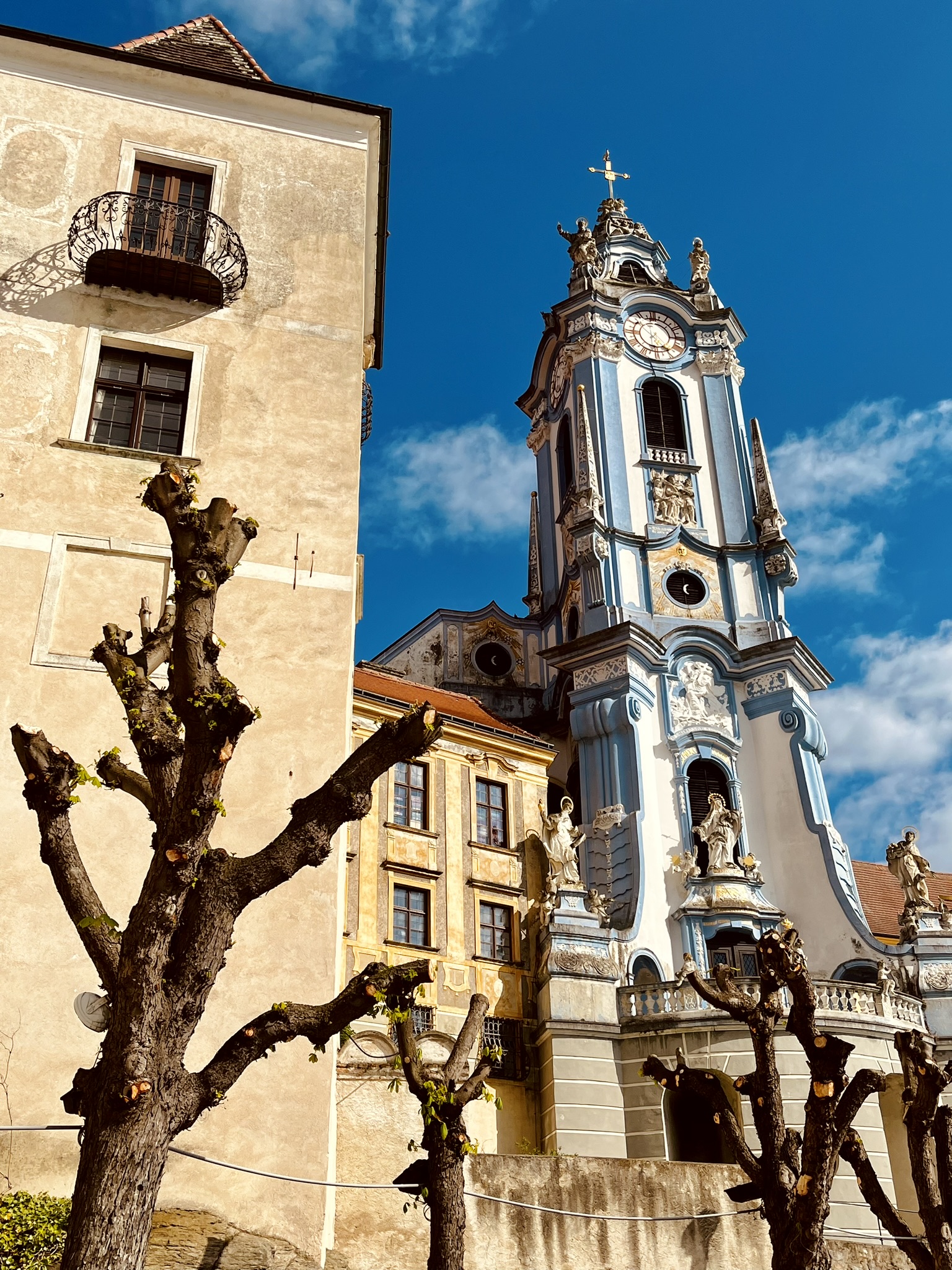
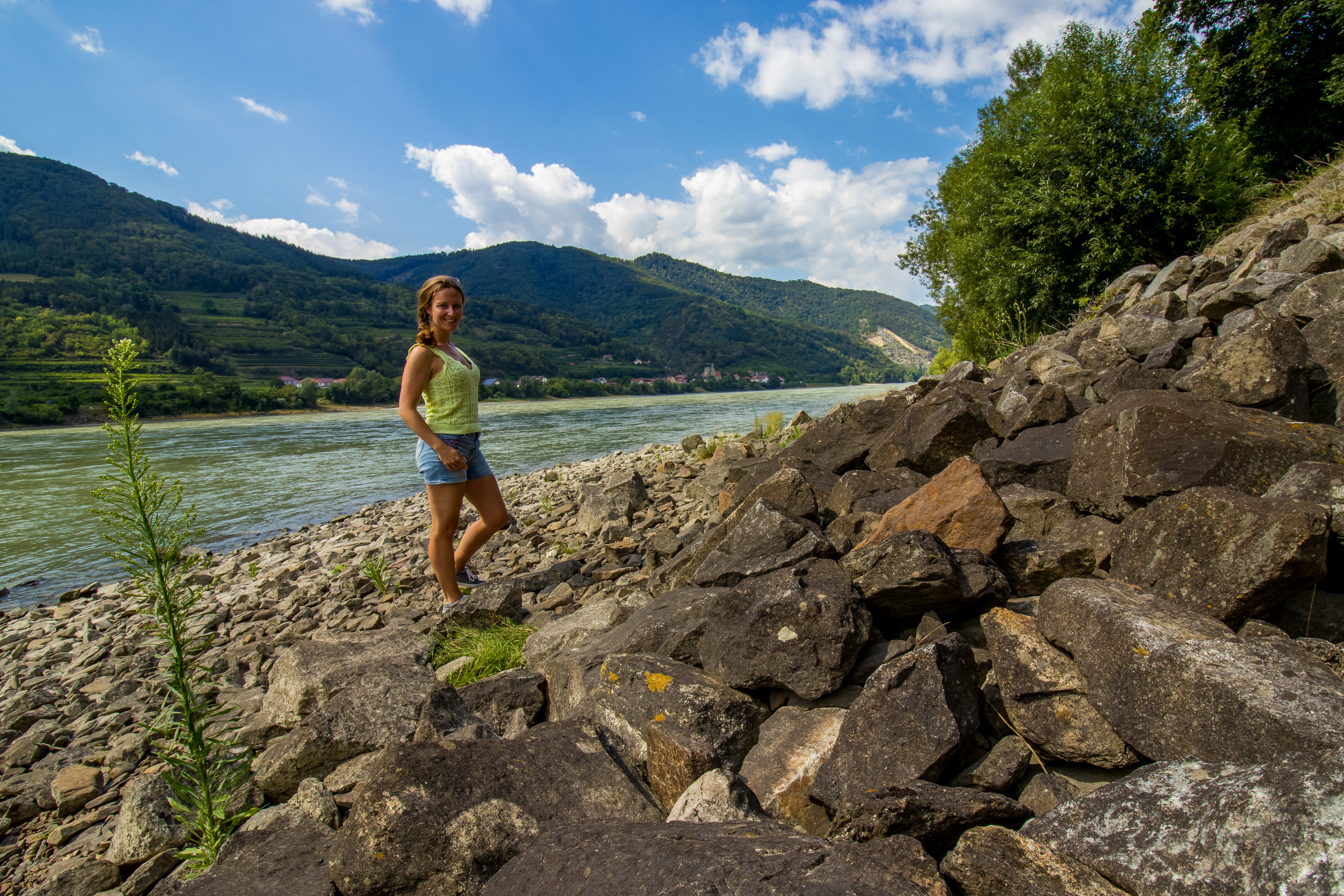

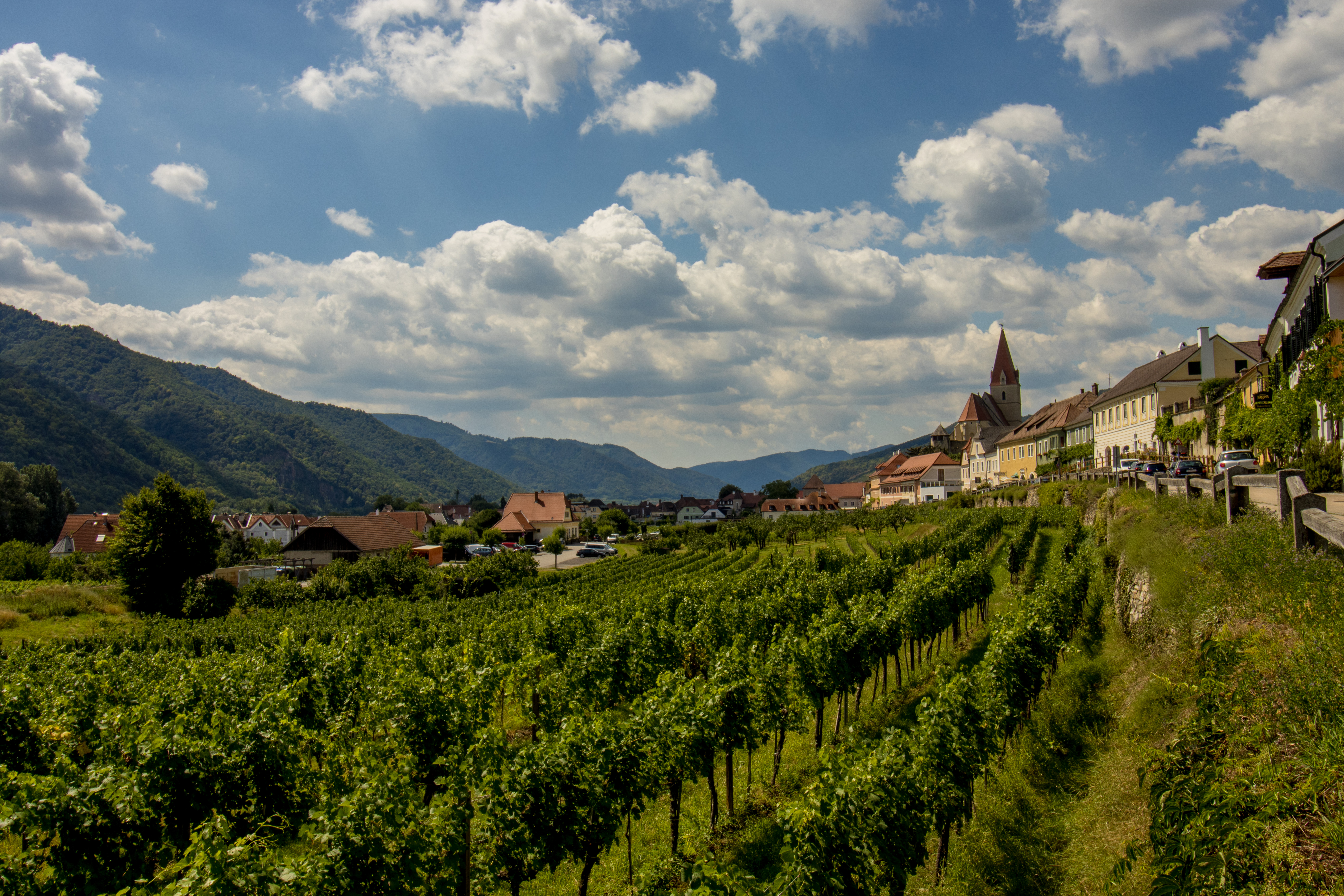
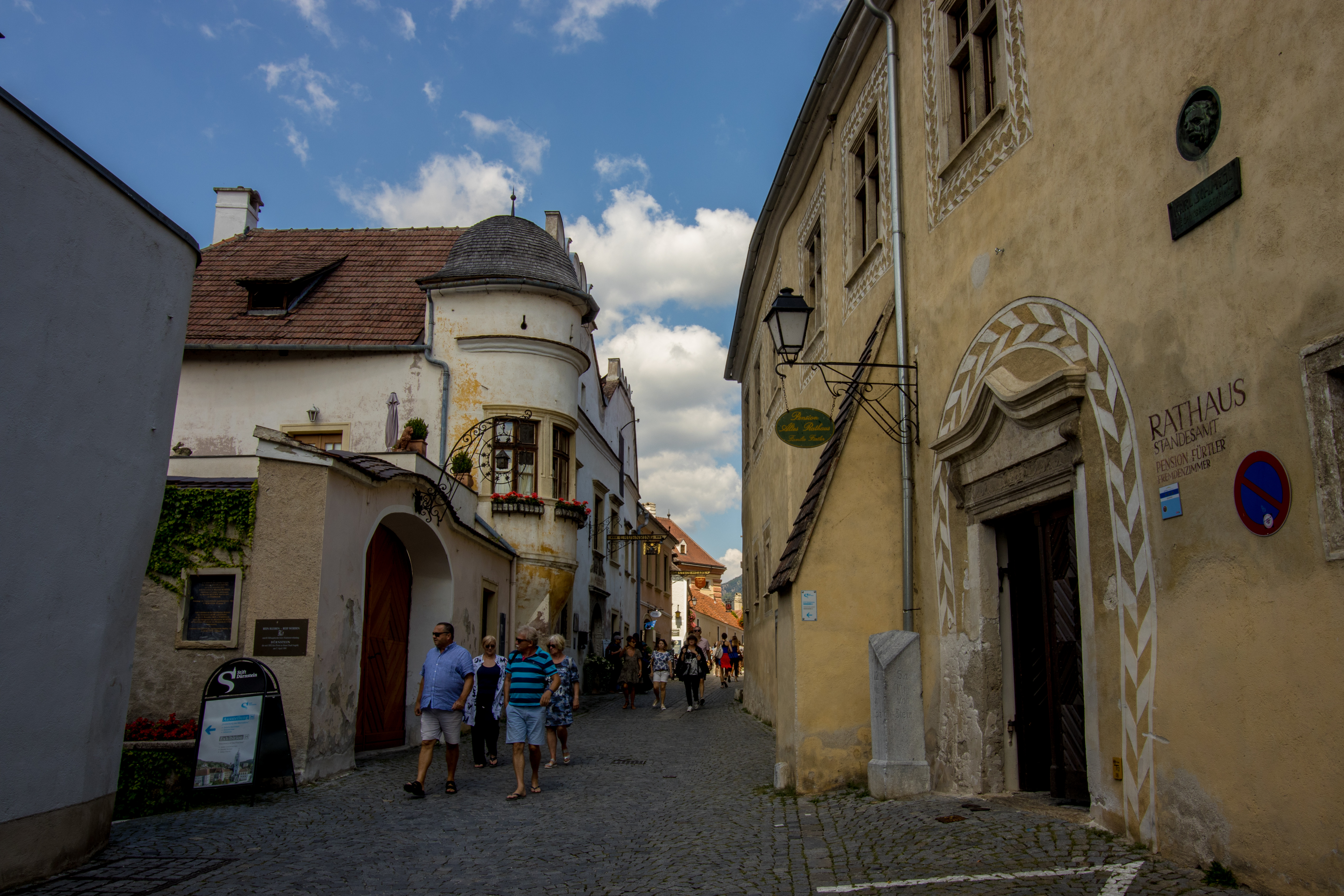

Discovering those apricot orchards, I realized I certainly have to go back to this area in spring, when the trees are flowering. But for now, it is time for a recipe featuring apricots. With some savoury notes included, it could also serve well as a snack on a next cycling trip.
Feta and Apricot Bread
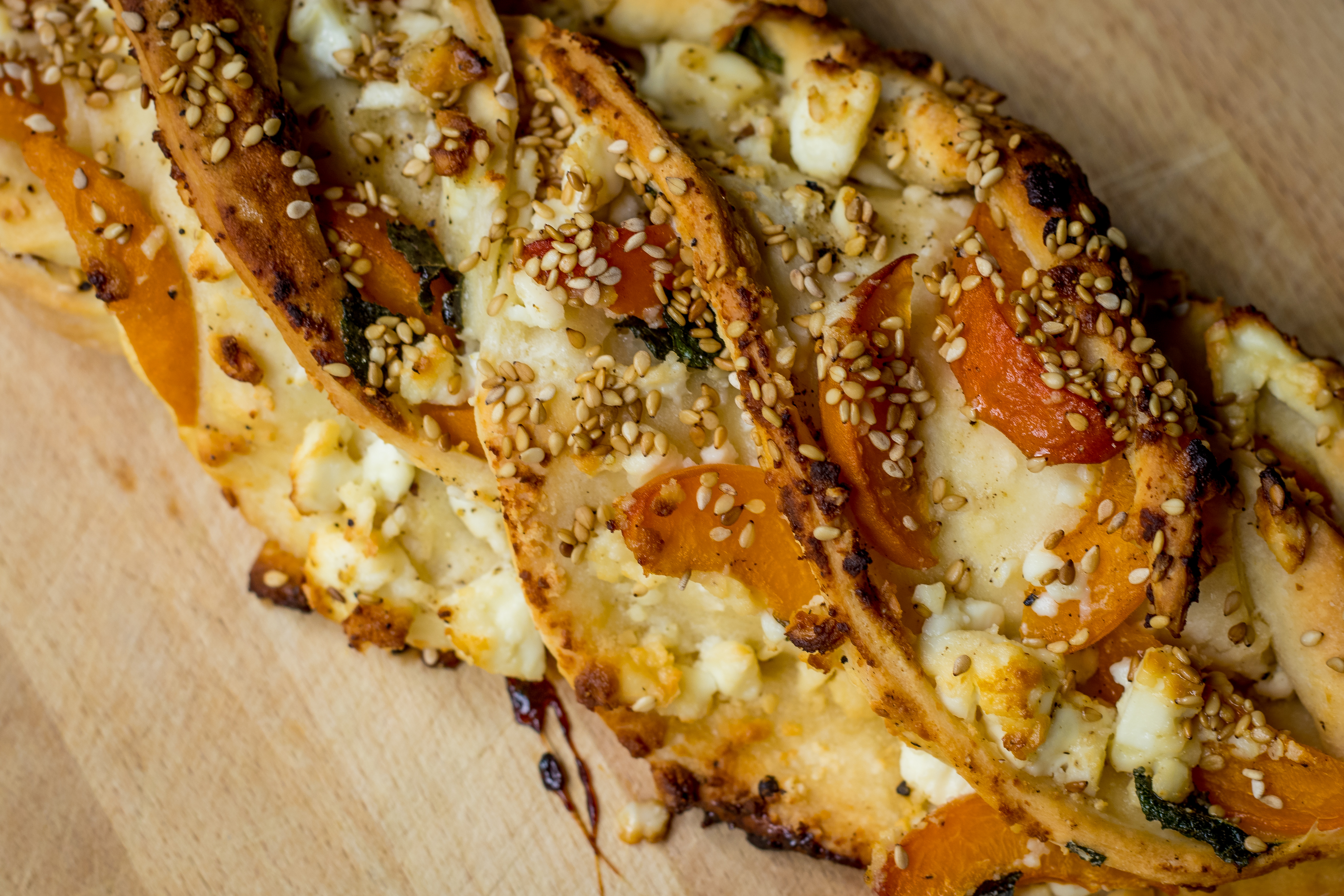
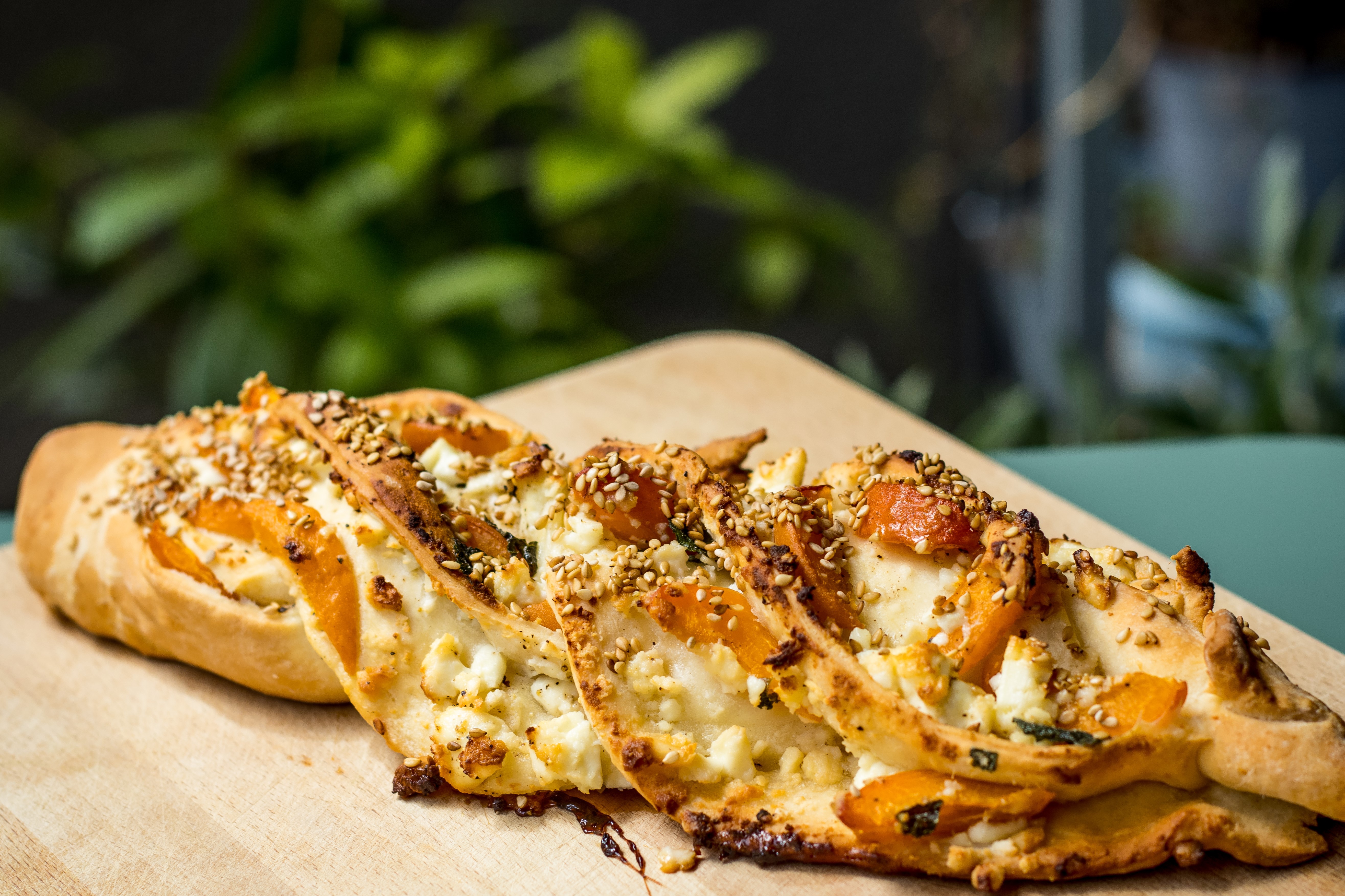
Ingredients (for 1 small bread)
- 120 grams of flour
- 4 tablespoons of Greek yoghurt
- 2 teaspoons of baking powder
- Salt
- 2 Apricots
- 80 grams of feta
- Tablespoon of honey
- Sprig of fresh mint
- Black pepper
- Tablespoon of sesame seeds
- Olive oil
Put the flour in a large bowl and add the baking powder and a good pinch of salt. Add in the Greek yoghurt and start mixing with a spoon. Once the dough begins to come together, continue kneading the dough with your hands on a clean working surface, until you have a soft and elastic dough that does not stick to your hands anymore. In case the dough is too sticky, add a bit more flour or if it is too dry a little bit more yoghurt.
Clean the bowl that you used before and place the dough in it to rest for around 20 minutes, covered with a wet tea towel.
Meanwhile, turn your oven on to 180°C so that it can preheat. Cover a baking tray with baking paper.
Once the dough has rested, roll it out with a rolling pin to a thin circle. It should be around 3 mm thick. Crumble the feta cheese between your hands and spread it out all over the circle of dough. Wash the apricots and take the stones out. Slice both of them in thin slices and also spread those out over the dough. Tear the mint leaves in pieces and add on top. Finally, divide the honey all over the circle and add a good pinch of black pepper.
Roll up the dough into a long role. Pinch one of the two ends together so that it is closed. Then, slice the roll lengthwise in two, while leaving the top side that you closed together. Twist the two halves around each other, and also pinch together the other end to close. The filling of the dough is now exposed, so in case any cheese or apricots fell out, just push it back in place.
Place the prepared dough on the baking tray and sprinkle a bit of olive oil all over. Finally, sprinkle the sesame seeds over the top.
Bake for 30 minutes, until golden brown. Let the bread cool down a little bit and preferably eat it while still warm.
In case you have leftovers, it is best to keep them in the fridge and warm up again right before serving.
 The roaming chilli